
Compton CAASPP Scores Reach Historic High: Why Compton Took a Chance on Classtime
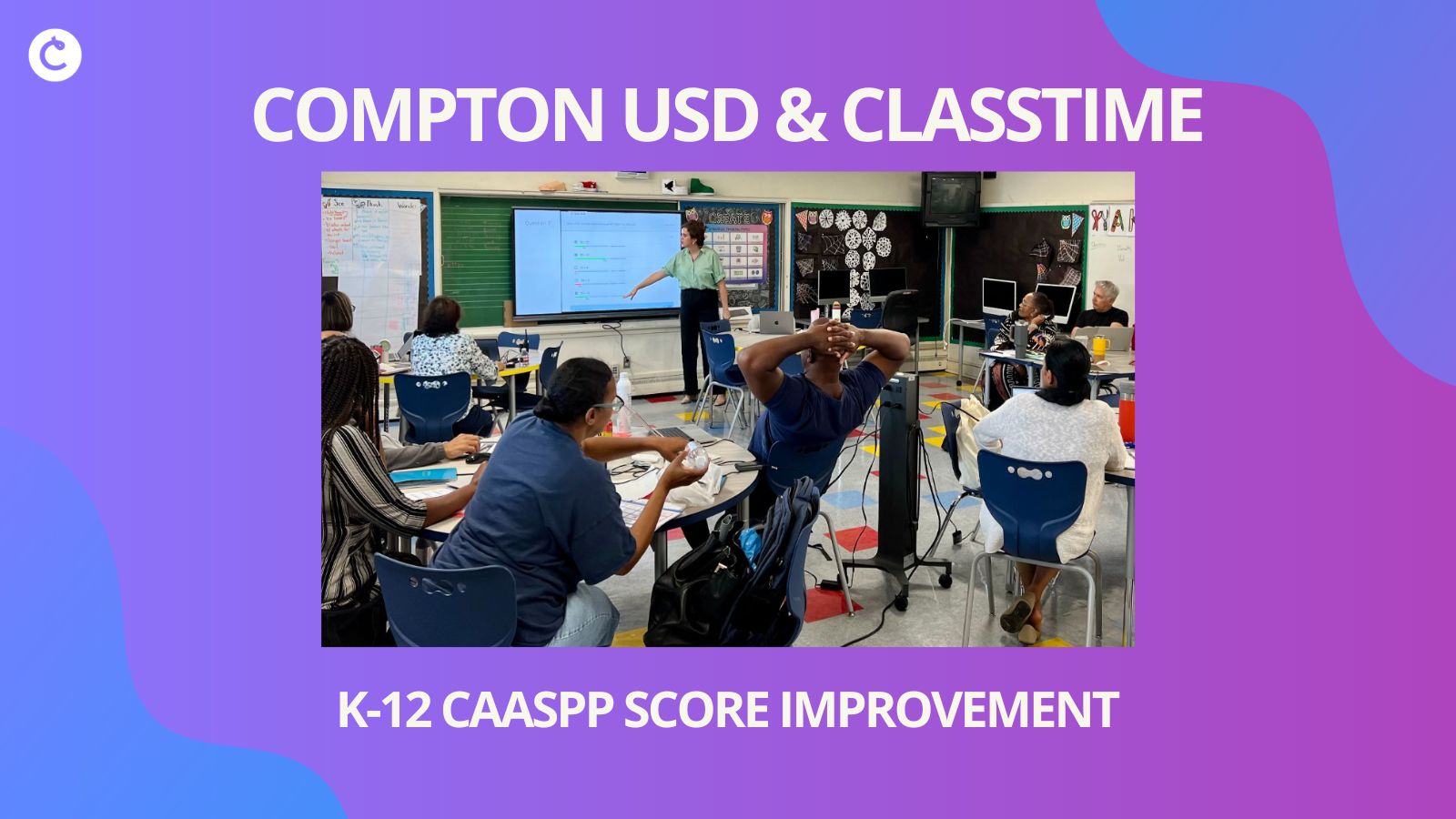
Compton CAASPP scores have reached their highest levels in district history, with the 2025 Smarter Balanced results showing an 8-point gain in English Language Arts (ELA) and a 6.4-point gain in Math. Overall, 51% of students are now proficient in ELA and 41% in Math, marking not just a single-year win but the third consecutive year of substantial growth.
These record-breaking results cement Compton Unified School District as a leading example of sustained academic progress in California. District leaders credit their success to intentional systems and strategic resource allocation: high-quality instruction, real-time data usage, targeted student support, and deep professional learning for teachers.
Compton Superintendent, Dr. Brawley, stated, “We have invested in what matters most: high-quality instruction, real-time data usage, targeted student support, and deep professional learning for teachers. The results demonstrate the shared vision and mission of our governing board, the hard work of our students, educators, and families.”
In 2024, Compton made a strategic move to accelerate growth by addressing a critical gap, helping students move from “near mastery” to true proficiency. Their solution: a districtwide partnership with Classtime focused on strategic thinking.
What’s Really Holding Back CAASPP Growth in California
Despite years of investment in curriculum and test preparation, many districts, including Compton, recognize that traditional approaches weren’t enough to drive consistent CAASPP growth. The problem wasn’t just what was being taught, but how students were being asked to think and respond and a lack of exposure to the academic language seen on the exam. Below are the three core barriers to CAASPP growth in California:
- Lack of Actionable Data: CAASPP results arrive months after students take the test, far too late to inform instruction in real time. And while they show performance levels, they rarely tell teachers why students missed specific questions or which cognitive skills they lacked. This leaves teachers guessing about next steps and limits meaningful intervention.
- Misalignment Between Standards and the CAASPP: Even strong curricula often fall short of the CAASPP’s full demands, especially when it comes to technology-enhanced question types and higher-order reasoning tasks. Students may learn the right content but still stumble on the test because they haven’t practiced applying that content in CAASPP-like formats, using higher-order thinking skills.
- Lack of a Schoolwide Language: Without a districtwide framework for strategic thinking, instructional experiences vary widely across classrooms and grade levels. This inconsistency makes it difficult for students to build thinking skills over time and for leadership to provide targeted support.
Compton Unified recognized these challenges and partnered with Classtime to tackle them head-on.
Compton’s CAASPP Score Solution: A Strategic, Districtwide Approach
To address the real barriers to CAASPP growth, Compton Unified didn’t just add new tools; they adopted a districtwide system built on three core values:
- Understanding why students struggle
- Maximizing the impact of the existing curriculum
- Building on the successes of previous grade levels
Through a strategic partnership with Classtime, these values came to life across all 26 school sites. Here’s how:
In-Person Training at Every Site
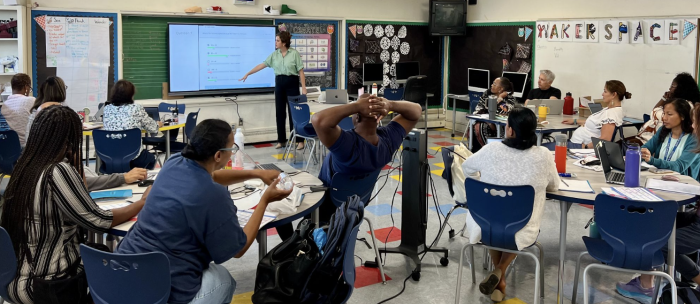
Classtime trainers spent five days on-site at each school, working shoulder-to-shoulder with teachers. These CAASPP professional development sessions focused on:
- Embedding strategic thinking into everyday instruction
- Navigating tech-enhanced question types that mirror CAASPP
- Learning how to modify existing lessons to incorporate strategic thinking
- Recognizing and applying 16 distinct Strategic Thinking Types
Teachers learned how to elevate their core materials, not replace them, by building CAASPP-aligned rigor into what they were already using. Posters, visuals, and teacher guides made these practices stick, ensuring students encountered and used consistent thinking strategies year after year.
Biweekly Assessments That Reveal Why Students Struggle
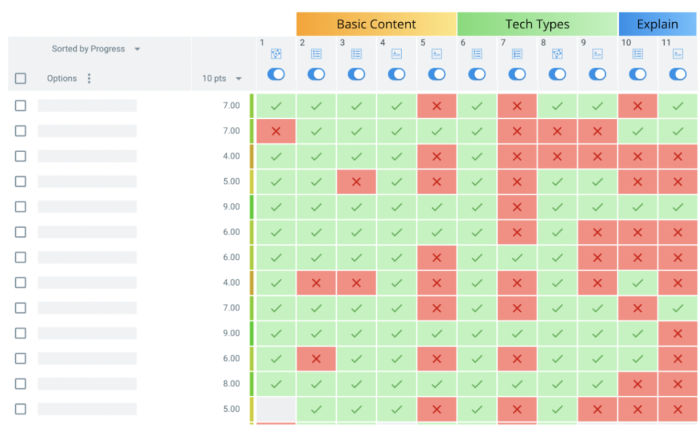
Twice per month, teachers used Classtime’s 11-question assessments, which take just 25–30 minutes and are designed to surface exactly why students struggle:
- Q2–5: Basic content knowledge
- Q6–9: Strategic thinking & tech-enhanced question types
- Q10–11: DOK 3/4 “Explain Thinking” responses
With this consistent structure of CAASPP practice, teachers could identify whether breakdowns were happening due to missing content, unfamiliar technology types, or a specific type of strategic thinking.
Example:
One teacher noticed students correctly solved multiplication problems but failed a multi-select question. The issue wasn’t math; it was strategic thinking. Others missed points simply because they hadn’t practiced typing out full explanations.
Actionable Reports That Drive Instruction
Classtime’s reports provided both teachers and leaders with clear, classroom and school-level data:
- Which strategic thinking types are students mastering?
- Where are students consistently struggling?
- How are usage and performance tracking over time?
This visibility allowed teachers to adjust instruction immediately and enabled school leaders to celebrate progress, identify gaps, and provide support with precision.
Building on Prior-Year Progress
Rather than treating CAASPP prep as a short-term effort, Compton invested in long-term thinking skill development, starting in Kindergarten. Strategic thinking types were introduced gradually by grade level:
- K: Visual, Graphing/Item Interaction
- 1st: Recognize Operations, Find and Correct Errors
- 2nd: Conditional, Explain Thinking
Compton’s CAASPP-aligned ELA Approach
While the partnership began in math, Compton is also using Classtime for ELA preparation. Classtime’s reading comprehension sets and performance tasks are:
- Aligned to all ELA CAASPP Claims
- Mirror Smarter Balanced tech types and question stems
- Include 1 day of in-person training per site
- Developed rapidly based on Compton’s specific topic requests, allowing tailored content to meet immediate classroom needs
These are truly CAASPP-aligned assessments, not generic comprehension practice.
The Compton team has emphasized that these gains are the result of intentional systems, targeted professional learning, and high expectations for all students. By adding Classtime’s Strategic Thinking Framework and actionable assessments to this foundation, Compton was able to unlock the next level of CAASPP success.
The results are clear: Compton CAASPP scores are rising faster than ever before. And by building both teacher capacity and student thinking skills, the district is proving what’s possible when vision, consistency, and the right tools come together.
We help California districts drive significant CAASPP score improvements by focusing on Strategic Thinking in Math and ELA. Our approach is designed to move Level 2 and 3 students to proficiency by strengthening the strategic thinking skills essential to drive real, measurable gains in ELA and Math proficiency.
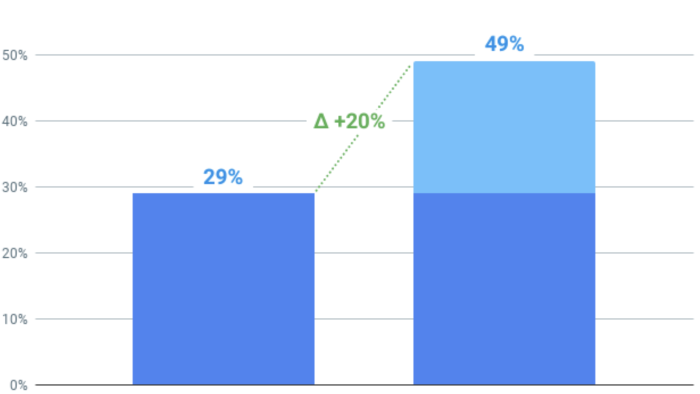
This has resulted in increases of Δ +20% CAASPP improvements within the first year of implementation:
We are proud to be working on Strategic Thinking in Math and ELA with forward-thinking educators at:

We are a local team that is personally committed to education in California. We’d be excited to connect for a 15-minute consultation for your school or district!