High School Science - HS-LS2-1 - Predicting Changes in Ecosystems Using Data and Models
6 Questions
Part A. Zebra mussels are invasive filter feeders in the Great Lakes. They remove plankton from the water. Native clams also feed on plankton.
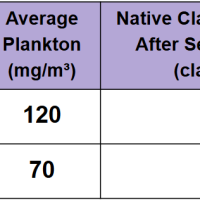
Part B. Scientists measured plankton and native clam abundance in the same bay before and after zebra mussels became established.
After a heavy rainstorm, fertilizer from a nearby farm washes into the pond. Fertilizer contains high levels of nutrients, such as nitrates.
A scientist tests how competition for the same seed food source affects the carrying capacity (K) of two rodent species.
In a desert ecosystem, carrying capacity (K) for saguaro cacti depends on limiting factors such as water, space, and successful reproduction.
Your class added 20 nest boxes for bluebirds at the school. Food and weather were similar before and after the boxes were added.
We help forward-thinking Californian districts achieve significant CAASPP score improvements in Science, Language Arts, and Math. Our NGSS-aligned questions ask students to analyze, model, and reason through real-world science challenges.
Learn more